
Mortgage Rate Trends Canada: What Borrowers Should Know

April 15, 2026
What Are Mortgage Rate Trends in Canada and Why Do They Matter Right Now?
Mortgage rate trends in Canada describe how borrowing rates change over time based on economic conditions, central bank policies, and market demand. For homeowners and buyers, these trends directly influence monthly payments, affordability, and long-term borrowing costs.
In simple terms:
👉 Mortgage rate trends help you understand whether it is a good time to lock in a rate, wait, or adjust your mortgage strategy.
At RatesWise, rate analysis is not just about numbers. It is about helping borrowers understand what those changes mean for real financial decisions.
What Drives Mortgage Rate Trends in Canada?

Mortgage rates do not change randomly. They are influenced by several key factors that shape the lending environment.
1. Central Bank Policy
One of the biggest drivers is the Bank of Canada’s policy rate.
When the central bank:
- increases rates → borrowing becomes more expensive
- decreases rates → borrowing becomes more affordable
These changes directly affect variable mortgage rates and indirectly influence fixed rates.
2. Bond Market Movements
Fixed mortgage rates are closely linked to government bond yields.
When bond yields rise:
- Fixed mortgage rates usually increase
When bond yields fall:
- Fixed mortgage rates may decrease
Insight:
Bond markets often react faster than mortgage rates, making them an early indicator of rate direction.
3. Inflation Trends
Inflation plays a major role in rate decisions.
- Higher inflation → pressure to increase rates
- Lower inflation → potential for rate stability or cuts
Lenders adjust rates based on expectations of future inflation.
4. Economic Conditions
Overall economic performance also affects mortgage rates.
Factors include:
- employment levels
- consumer spending
- housing market activity
A strong economy may lead to higher rates, while a slowing economy may lead to lower rates.
Why Mortgage Rate Trends Matter for Borrowers
Understanding rate trends is essential because even small changes can significantly impact your mortgage.
Impact on Monthly Payments
A higher rate:
- increases your monthly cost
A lower rate:
Impact on Long-Term Cost
Mortgage rates determine how much interest you pay over time.
Even a small difference in rate can result in:
- thousands of dollars in additional or reduced interest
Insight:
Rate trends do not just affect today’s payments; they shape your long-term financial outcome.
Fixed vs Variable: How Trends Affect Your Choice
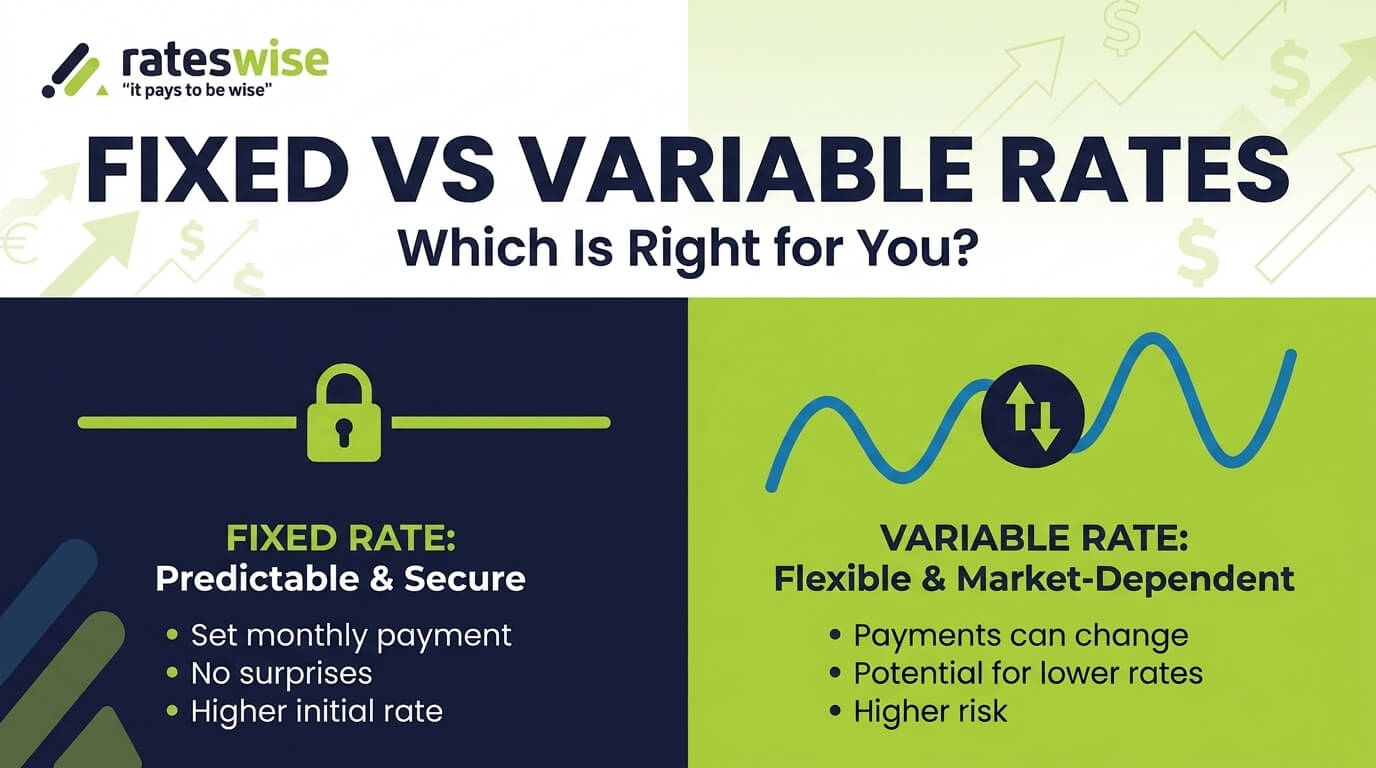
Mortgage rate trends also influence whether borrowers choose fixed or variable options.
Fixed Rates
- Provide stability
- Protect against rising rates
- Influenced by bond market trends
Variable Rates
- change with the Bank of Canada rate
- may start lower
- carry more uncertainty
👉 Insight:
Choosing between fixed and variable rates depends on how you interpret current and future rate trends.
What Borrowers Often Get Wrong
Many homeowners:
- focus only on current rates
- ignore future trends
- make decisions based on short-term thinking
This can lead to:
- locking into unfavorable terms
- missing opportunities
- higher long-term costs
👉 Insight:
The best decisions are based on understanding where rates are likely going, not just where they are today.
What Are the Current Mortgage Rate Trends and What Do They Signal?
Mortgage rate trends are not just about whether rates are high or low. What matters more is the direction and stability of the market.
Recently, the rate environment has been influenced by:
- inflation pressure
- central bank policy adjustments
- global economic uncertainty
As a result, mortgage rates have gone through cycle of:
- rapid increases
- short-term stabilization
- cautious expectations for future adjustments
👉 Insight:
Mortgage rates move in cycles. They do not rise or fall in a straight line. They shift based on economic signals and policy decisions.
Are Mortgage Rates Expected to Go Up or Down?
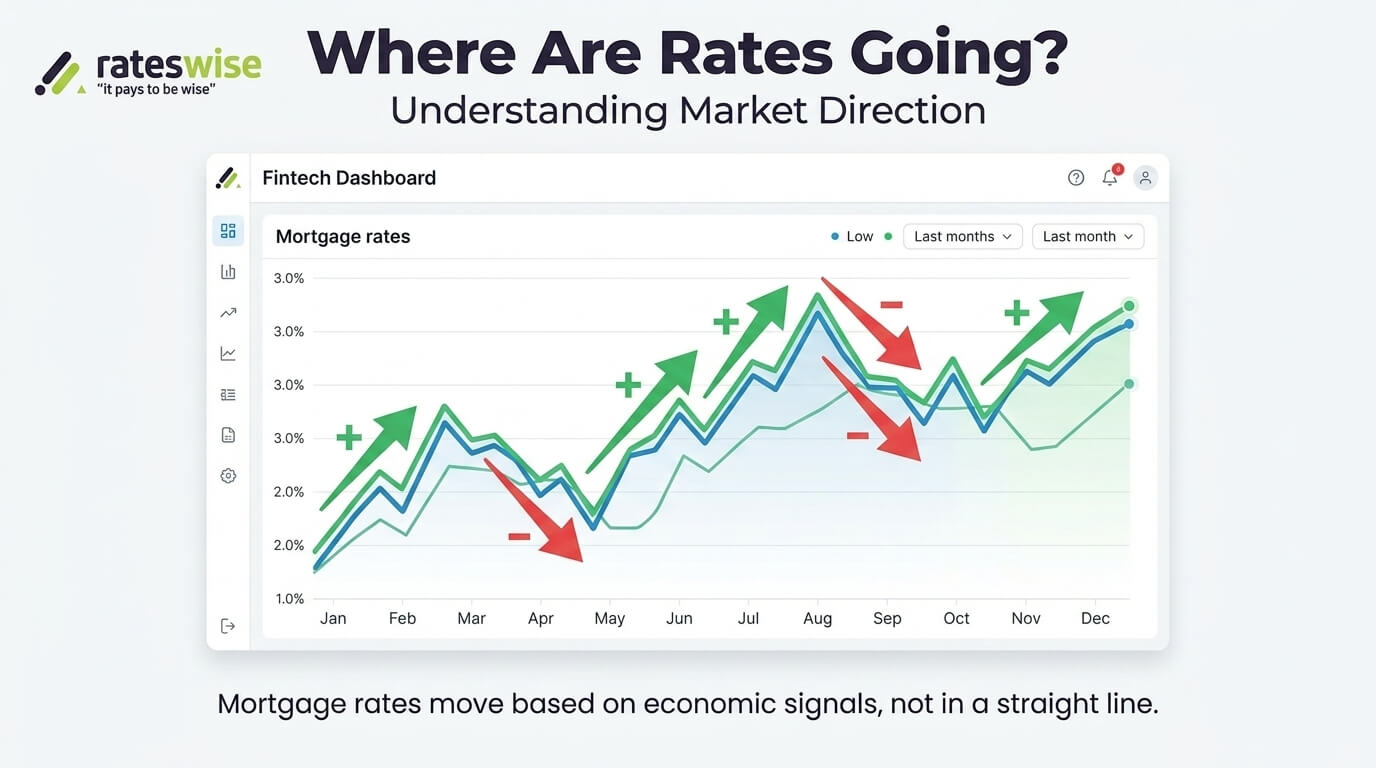
There is no guaranteed direction, but trends are usually shaped by a few predictable signals.
When Rates May Increase
Rates tend to rise when:
- Inflation remains persistent
- Economic activity is strong
- Central banks maintain a tightening stance
When Rates May Stabilize or Decrease
Rates may level off or decline when:
- Inflation shows signs of slowing
- economic growth weakens
- central banks pause or reverse rate increases
Insight:
Mortgage rate expectations are based on forward-looking indicators, not just current conditions.
Should You Lock in a Rate or Wait?
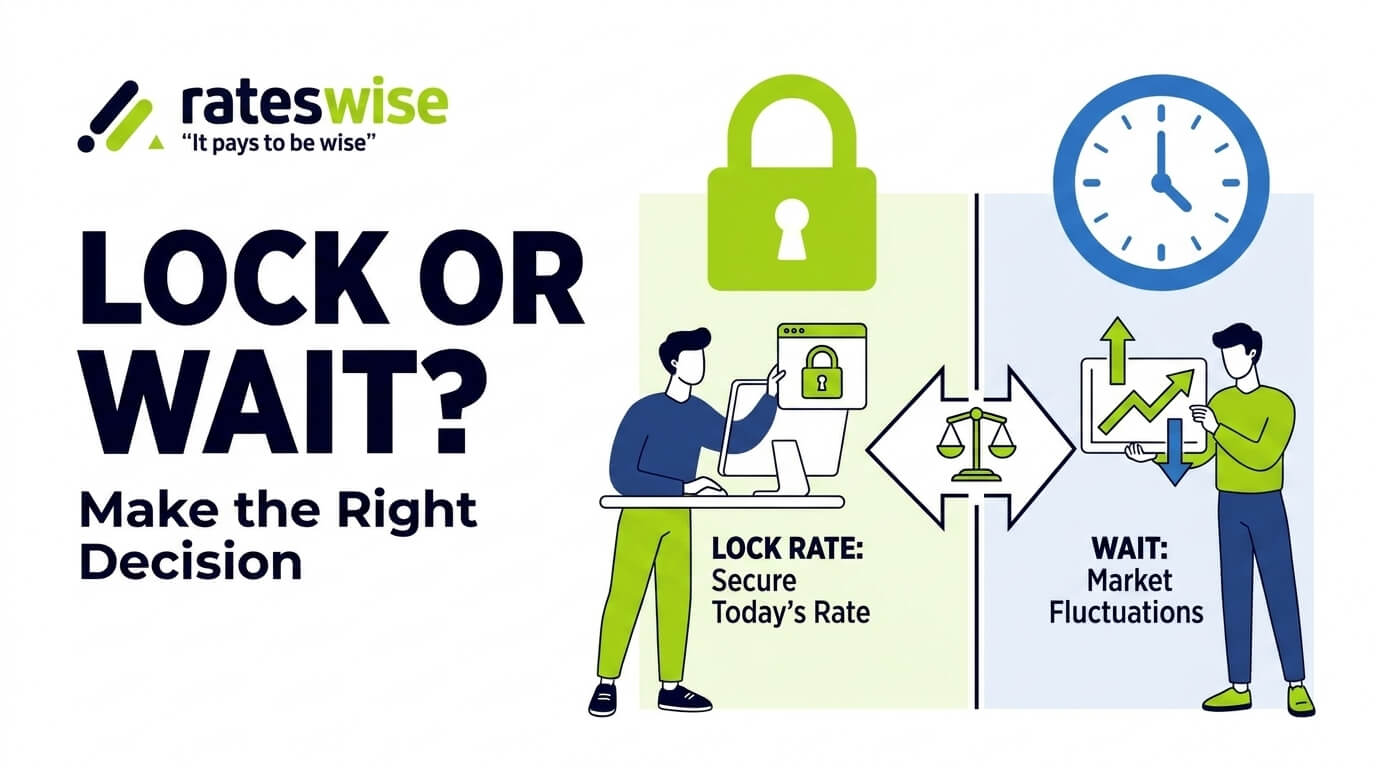
This is one of the most common questions borrowers face.
The answer depends less on guessing the market and more on your financial situation and risk tolerance.
Locking in a Rate May Make Sense If:
- You want payment stability
- You prefer predictable costs
- You are concerned about potential rate increases
Waiting May Make Sense If
You can handle uncertainty
You expect rates to stabilize or fall
You have flexibility in your timeline
Insight
There is no perfect timing. The right decision depends on how much risk you can manage.
Real-World Scenario: How Timing Impacts Decisions
Scenario 1: Locking Too Early
A borrower locks into a rate based on fear of increases.
- gains stability
- but may miss potential lower rates later
Scenario 2: Waiting Too Long
A borrower delays locking in hopes of lower rates.
- may benefit if rates fall
- but risks higher costs if rates increase
Insight:
Mortgage decisions are not about perfect timing. They are about managing uncertainty effectively.
How Rate Trends Affect Mortgage Strategy
Mortgage rate trends influence more than just rates. They affect overall strategy.
In a Rising Rate Environment
Borrowers often:
- prefer fixed rates
- focus on stability
- lock in earlier
In a Stable or Declining Environment
Borrowers may:
- consider variable rates
- delay locking decisions
- look for flexibility
Insight:
Your mortgage structure should adapt to market conditions, not remain static.
Key Signals Borrowers Should Watch
Instead of reacting to headlines, focus on indicators that actually influence rates:
- central bank announcements
- inflation data
- bond yield movements
- overall economic performance
Insight:
Understanding the drivers behind rate changes is more valuable than reacting to short-term fluctuations.
Practical Decision Framework
When evaluating mortgage rate trends, ask:
- Am I prioritizing stability or flexibility?
- Can I handle potential rate increases?
- How long do I plan to stay in this mortgage?
- What is my long-term financial goal?
Insight:
Mortgage decisions should align with your financial strategy, not short-term market noise.
What Mistakes Should You Avoid When Following Mortgage Rate Trends?

Understanding mortgage rate trends is useful, but many borrowers still make decisions that lead to higher costs.
1. Focusing Only on the Current Rate
Many borrowers make decisions based only on today’s rate.
- They ignore market direction
- They do not consider long-term impact
👉 Insight:
A slightly lower rate today may not always be the best long-term decision.
2. Trying to Time the Market Perfectly
Some borrowers delay decisions, waiting for the “lowest possible rate.”
In reality:
- markets are unpredictable
- Perfect timing is unrealistic. Delays can increase risk.
👉 Insight:
Mortgage decisions should be based on strategy, not speculation.
3. Ignoring Mortgage Structure
Rates are important, but structure matters just as much.
This includes:
- fixed vs variable
- term length
- amortization
👉 Insight:
The right structure can protect you from future rate changes.
4. Not Reviewing Options at Renewal
Many homeowners simply renew with their current lender without comparing options.
This can result in:
- higher rates
- missed savings opportunities
- less flexible terms
👉 Insight:
Mortgage renewal is one of the most important decision points, not just a routine process.
How Should Different Borrowers Approach Rate Trends?
Not all borrowers should respond to rate trends in the same way.
First-Time Homebuyers
Focus on:
- affordability
- payment stability
- long-term planning
Often, stability is more important than trying to optimize short-term rates.
Homeowners Renewing Their Mortgage
Focus on:
- current market conditions
- comparing available rates
- adjusting mortgage structure
This is an opportunity to improve your financial position.
Borrowers Refinancing
Focus on:
- total cost savings
- impact of penalties
- long-term benefit
👉 Insight:
Each borrower type should respond to rate trends differently based on their goals.
How to Build a Smarter Mortgage Strategy
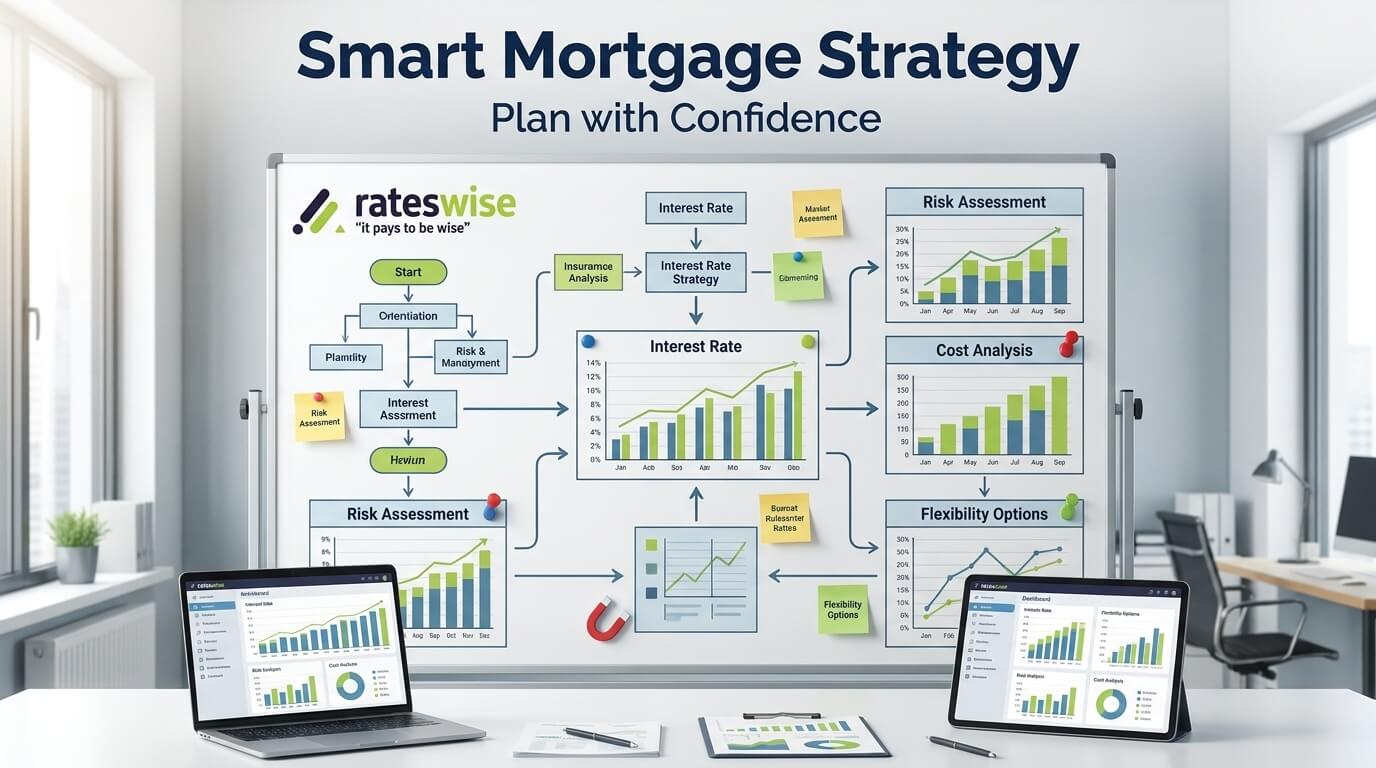
Instead of reacting to rate changes, build a strategy that accounts for uncertainty.
1. Balance Stability and Flexibility
- fixed rates offer predictability
- variable rates offer potential savings
Choosing the right mix depends on your comfort with risk.
2. Think Long-Term
Mortgage decisions should consider:
- total interest cost
- financial goals
- future flexibility
3. Stay Informed, Not Reactive
Following trends is important, but reacting to every change can lead to poor decisions.
👉 Insight:
Consistency in strategy is more valuable than reacting to short-term rate movements.
Final Thoughts
Mortgage rate trends in Canada are influenced by multiple economic factors and will continue to change over time.
For borrowers, the key is not predicting the market perfectly, but understanding how these trends affect:
- your payments
- your mortgage structure
- your long-term financial outcome
👉 Insight:
The best mortgage decisions are based on clarity, not guesswork.
If you are evaluating mortgage rates or planning your next move, understanding how rate trends affect your situation is essential.
At Rateswise, we help borrowers:
- Analyze current rate conditions
- Compare realistic options,
- Choose mortgage structures that align with their goals
so they can make informed decisions with confidence.
Frequently Asked Questions
How often do mortgage rates change in Canada?
Mortgage rates can change frequently based on market conditions, central bank decisions, and bond yields.
Are fixed rates better in a rising rate environment?
Fixed rates provide stability and can protect against rising rates, but the best option depends on your financial situation.
Should I wait for rates to drop before locking in?
Waiting can be beneficial in some cases, but it also carries risk. Decisions should be based on your comfort with uncertainty.
Do rate trends affect mortgage renewal decisions?
Yes. Renewal is one of the best opportunities to adjust your rate and mortgage structure based on current market conditions.
What is the biggest mistake borrowers make?
Trying to time the market perfectly instead of focusing on a long-term strategy.
Disclaimer
This information is intended only as general guidance. Lender rules, margins, and rates are subject to change. Always confirm current figures and consult a qualified mortgage expert before refinancing.