How to Handle Mortgage Renewal Shock in Ontario? (2026 Guide for Homeowners)
April 4, 2026
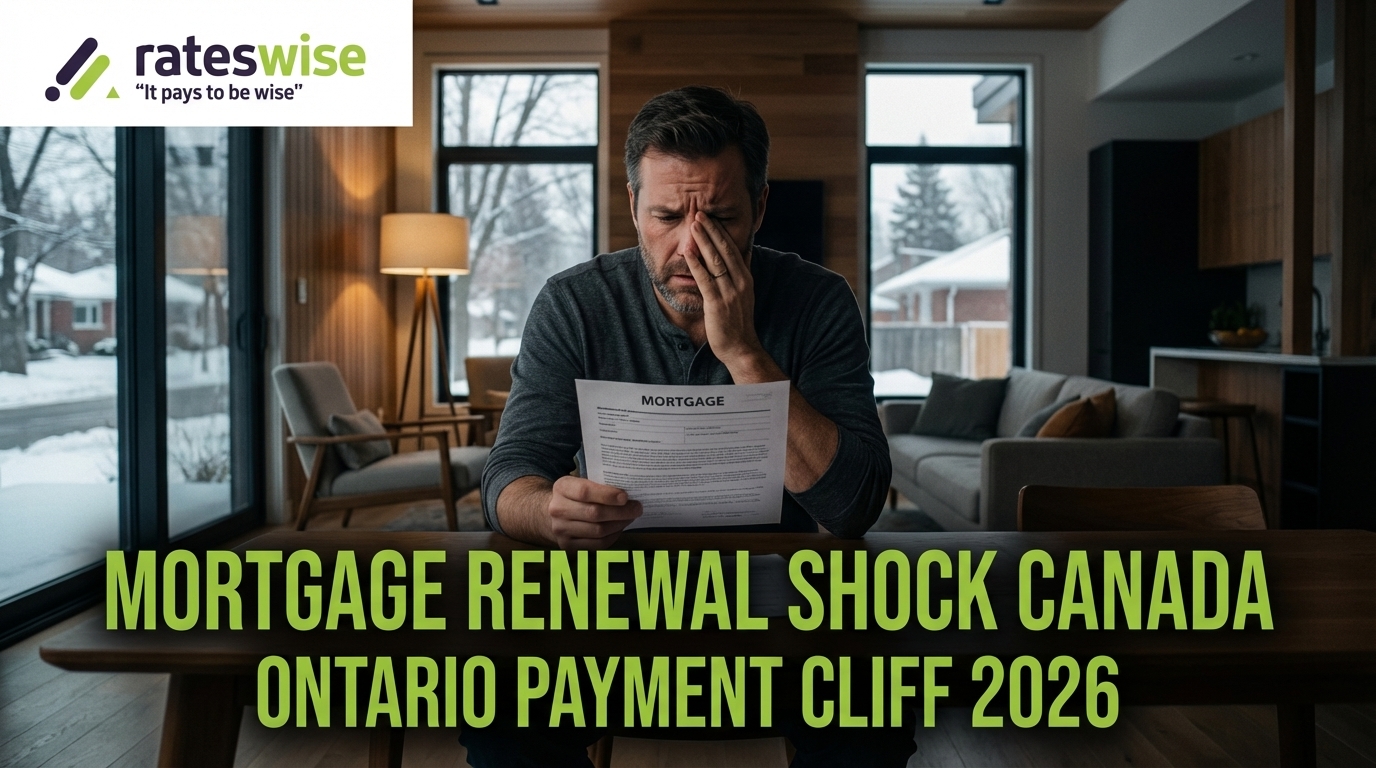
Mortgage renewal shock happens when your mortgage renews at much higher interest rates than your previous terms.
For Ontario homeowners, renewals scheduled between 2025 and 2026 have become a real concern. Homeowners who secured five-year fixed rates near 2% in 2020 or 2021 are now facing market rates between 4.5% and 6%.
This can increase monthly payments and put pressure on household budgets.
What Is Mortgage Renewal Shock?
Mortgage renewal shock is the increase in monthly payments when your mortgage renews at a higher interest rate.
It happens because:
- Past mortgage rates were unusually low
- Current rates are higher due to inflation and policy changes
Simply: Same mortgage. Higher rate. Higher payment.
Who this is important for and why
- Ontario Homeowners: Specifically, those with terms expiring within the next 12 to 24 months.
- Real Estate Investors: Individuals managing portfolios where cash flow margins are narrowing.
- First-Time Buyers: Those who entered the market at the peak and are now facing their first renewal cycle.
The main concern in describing all this here is for homeowners to manage their debt, allowing them to proactively adjust their financial strategies before their current term expires.
Why Ontario Homeowners Are More Affected
Ontario homeowners are more exposed to renewal shock mainly because home prices and mortgage sizes are higher.
This means:
- Even small rate increases have a larger impact
- monthly payments rise more sharply
For example: A rate increase on a $700,000 mortgage has a much bigger impact than on a $300,000 mortgage.
Higher loan amounts = higher sensitivity to rate changes
Ontario's housing market has historically commanded some of the highest price-to-income ratios in North America.
Furthermore, many homeowners used variable-rate mortgages with fixed payments. As rates rose, many borrowers reached trigger rates at which their payments no longer covered the interest, causing the principal to grow, process known as negative amortization.
Upon renewal, these borrowers must either considerably raise their payments or make a lump-sum contribution to bring the loan back into line with the original amortization plan.
Identifying the Early Warning Signs of Renewal Stress
Preparation is necessary before the mortgage renewal shock. Homeowners should evaluate their position based on three key metrics:
Rate Spread:
The difference between your current contract rate and the current rates posted by major Canadian lenders.
Debt-to-Income Ratio (DTI)
A review of whether your present income can cover a 20% to 40% rise in housing prices.
Equity Position:
Determine whether your property's value has stayed constant enough to allow for refinancing or extending your amortization to reduce payments.
Strategies to Mitigate Mortgage Renewal Shock in Ontario
When facing a substantial increase in monthly payments, Ontario homeowners must shift from a passive renewal approach to an active debt-management strategy. The goal is to minimize the shock by utilizing the financial tools available within the Canadian rules.
1. Extend Your Amortization
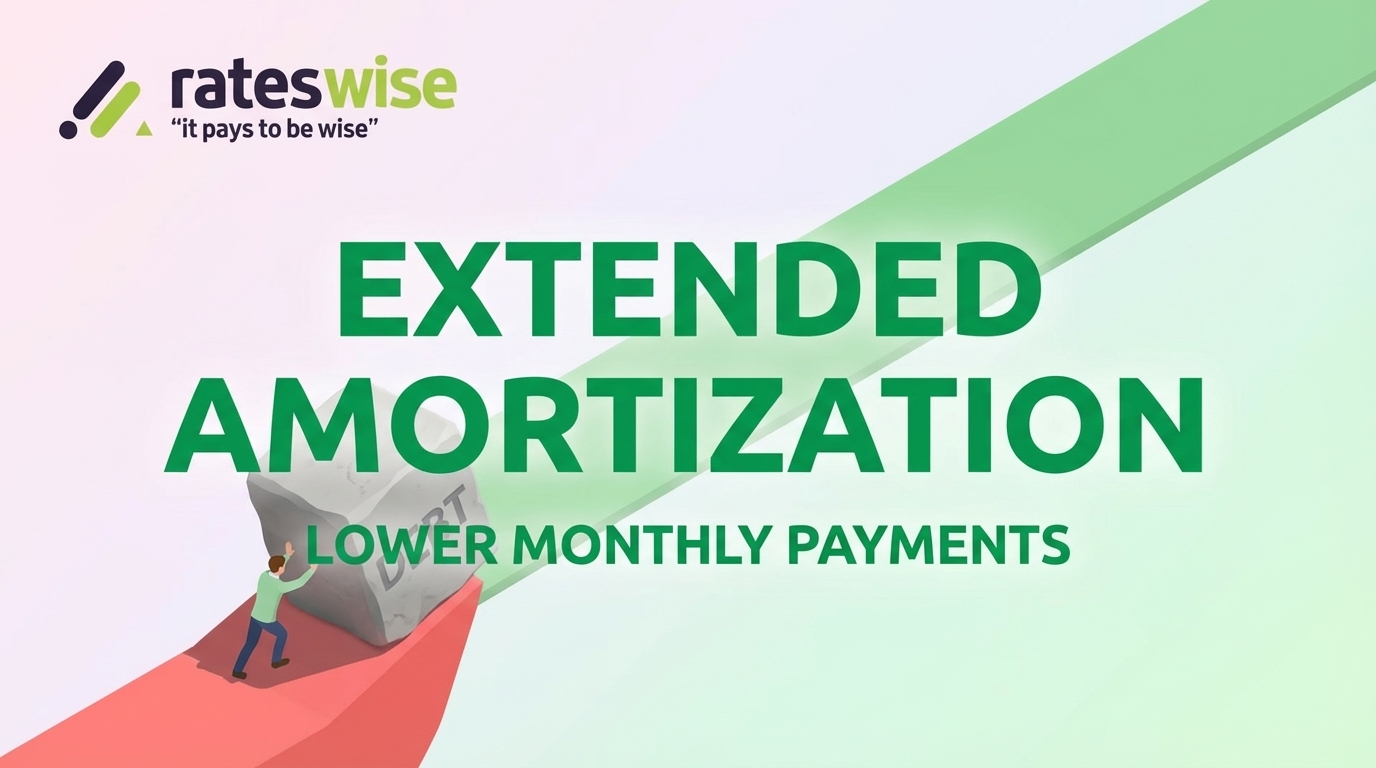
Extending your amortization lowers your monthly payment by spreading it over a longer period.
Example: 20 years → 25 or 30 years
Benefit: Lower monthly payments
Trade-off: You pay more interest over time
👉 Best for: homeowners focused on short-term cash flow
2. Choose a Shorter Fixed Term
Instead of locking into a long-term rate, some borrowers choose 2–3 year fixed terms.
Why:
- avoids locking in high rates long-term
- allows flexibility if rates drop later
Risk: You may face another renewal sooner
3. Make a Lump-Sum Payment
Paying down part of your mortgage before renewal reduces your total loan.
Result:
- lower interest cost
- lower monthly payment
👉 Even small payments can make a difference
4. The Role of the Mortgage Stress Test at Renewal
Canadians get confused here about whether they must re-qualify for the stress test when they renew.
- Staying with the Current Lender:
Generally, if you renew with your existing bank or lender, you do not need to pass the OSFI stress test again. The lender simply offers a new rate based on current market conditions.
- Switching Lenders for a Better Rate:
If you find a significantly lower rate at a different institution, you are legally required to pass the stress test (the higher of the contract rate plus 2%, or 5.25%).
- The Challenge:
If the renewal shock has already strained your Debt Service Ratios, you may find yourself trapped with your current lender because you cannot qualify to switch, even if a better rate exists elsewhere.

5. Fixed vs. Variable: Which Renewal Path is Safer?
Fixed-Rate Renewal:
Provides guaranteed payment stability over the duration. It is ideal for homes on a tight budget, but if rates drop considerably later, you run the risk of missing out.
Variable-Rate Renewal:
Subject to change based on the prime rate. It helps those who bet on substantial Bank of Canada rate cuts in 2026 and beyond, even if it is historically higher due to present risk premiums.
How to handle Ontario’s Negative amortisation and trigger rates
For a specific proportion of Ontario homeowners, mortgage renewal shock is aggravated by the phenomenon of negative amortization. This generally happens with fixed-monthly variable-rate mortgages. These fixed payments were insufficient to cover the interest portion of the loan when interest rates rose quickly.
- The Trigger Rate is the exact interest rate at which your fixed mortgage payment only pays the interest and not the principal.
- Unpaid interest is applied to the principal debt when it exceeded the payment. This indicates that the homeowner's debt has increased over the prior month.
- The Renewal Impact is when the term expires, the lender will reset the mortgage. After that, the homeowner must settle the deferred interest and resume the previous amortisation plan, which frequently causes a significant, localised payment surge.
Debt Consolidation as a Buffer Against Renewal Shock
In addition to their mortgages, many people in Ontario have high-interest consumer debt. Even if the mortgage rate is higher, merging this debt into the mortgage can enhance overall household cash flow if a renewal is coming up.
- Consolidating Credit Cards: You can roll over high-interest debt (often between 19% and 29%) into a 5% or 6% mortgage. This significantly lowers the overall monthly debt service amount even though it raises the mortgage principal.
- HELOC Integration: The balance sheet can be made simpler by using Home Equity Lines of Credit (HELOCs) to pay off higher-interest loans prior to the final mortgage renewal being signed.
- The Net Monthly Calculation: A homeowner might see their mortgage payment rise by $800, but by eliminating $1,200 in monthly credit card and car loan payments, they achieve a net positive cash flow of $400.
Exploring Alternative Lending for Trapped Borrowers
B-Lending or private lending may be a short-term fix if a homeowner's debt-to-income ratio has gotten so bad that major Canadian banks (A-Lenders) won't renew or change the mortgage.
- Credit Unions: Ontario credit unions may have somewhat varying qualification requirements for current members, but they are frequently more accommodating than large banks.
- B-Lenders: These lenders serve clients with damaged credit or non-traditional sources of income (self-employed). Rates are higher, but they give you a year or two to fix your finances.
- Private Mortgages: These ought to be considered a final option. These are usually interest-only loans with a one-year duration that are intended to keep the homeowner from going into foreclosure while they get ready to sell the property or wait for a big change in their financial situation.
Proactive Communication with Financial Institutions
The worst strategy for handling mortgage renewal shock is silence. Canadian lenders are currently under guidance from FCAC (Financial Consumer Agency of Canada) to work with at-risk borrowers.
- Early Discussions: Contact your lender 4 to 6 months before the renewal date.
- Hardship Programs: Some lenders offer temporary interest-only payments or payment deferrals for homeowners facing extreme financial distress.
- Rate Holds: Secure a rate hold early. In Canada, most lenders will hold a quoted rate for 120 days, protecting you from further increases while you finalize your decision.
Do You Need to Pass the Stress Test Again?
Short answer:
- No → if you stay with your current lender
- Yes → if you switch lenders
👉 This is important because: Some homeowners cannot qualify elsewhere, even if better rates exist.
Frequently Asked Questions
Here are some common questions regarding the mortgage renewal shock.
Will mortgage rates go down in 2026?
Rates may stabilize or decline slightly, but they are unlikely to return to the very low levels seen in 2020–2021.
Can my bank refuse renewal?
If your payments are up to date, your lender will usually offer a renewal. However, the rate may not be competitive.
What if I cannot afford the new payment?
You can:
- extend your amortization
- Adjust your payment structure
- , and discuss temporary relief options with your lender
👉 Always contact your lender early
Is it better to take a 1-year or 5-year fixed rate right now?
Most Ontario experts currently suggest 2-year or 3-year fixed terms. This provides some stability while allowing you to renew again sooner if rates drop significantly by 2027 or 2028.
CONCLUSION
Mortgage renewal shock is real, but it is manageable with the right approach.
The key is not to wait until your renewal date.
Plan early by:
- reviewing your budget
- exploring different mortgage options
- speaking with your lender in advance
The earlier you act, the more options you have.
Disclaimer
This information is intended only as general guidance. Lender rules, margins, and rates are subject to change. Always confirm current figures and consult a qualified mortgage expert before refinancing.