

Buying Your First Home in Canada (2026): The No-Nonsense Guide for Locals & Newcomers
April 29, 2025
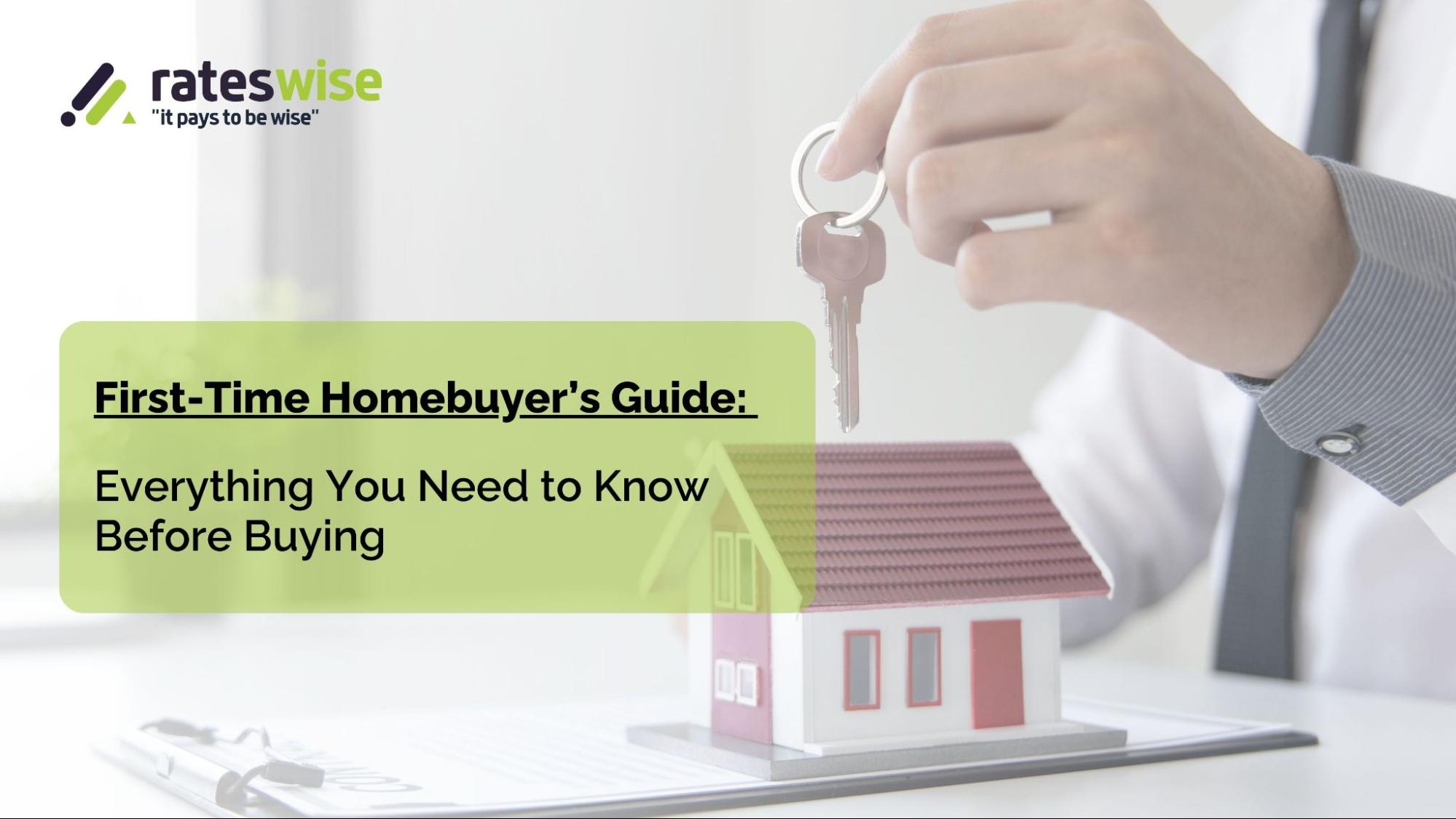
Let’s be real: Buying a home in Canada in 2026 is a grind. Prices in cities like Toronto and Vancouver are still high, and while interest rates have stabilized compared to the chaos of 2024, the "cheap money" era isn't coming back.
For newcomers and first-time buyers, the biggest risk in 2026 isn't just the price tag—it's bad information. Most people Google "how to buy a home" and end up reading American advice that doesn't apply here. They talk about "Escrow" and "PMI" and "3.5% down." None of that exists here.
In this guide, we are stripping away the noise. Here are the raw, Canadian facts you need to buy your dream home in Ontario, BC, or anywhere else in the Great White North this year.
1. Do You Actually Count as a "First-Time Buyer"?
In Canada, the definition is flexible, and knowing this can save you thousands.
Technically, you are a first-time buyer if you have never owned a home anywhere in the world.
However, for tax rebates and the RRSP Home Buyers' Plan (HBP), the "4-Year Rule" applies. If you (and your spouse) have not lived in a home owned by either of you for the last four years, you might "reset" your status. This means you could qualify for the HBP withdrawal and some tax credits all over again.
2. The "Free Money" Available in 2026
Unlike the US, we don't have "Mortgage Credit Certificates." In Canada, we have Tax Shelters and Rebates.
A. The FHSA (First Home Savings Account)
By 2026, this is the most powerful tool in your arsenal.
- The Power: You can contribute $8,000/year (Lifetime limit: $40,000).
- The Math: If you opened this back in 2023, you could now have up to $32,000 of contribution room available.
- The Benefit: Tax deduction on entry (like RRSP) + Tax-free withdrawal (like TFSA). If you aren't using this, you are voluntarily paying too much tax.
B. Land Transfer Tax Rebates
- Ontario: Up to $4,000 off instantly.
- Toronto: Buying in the 416? Add another $4,475.
- BC & PEI: Have their own exemptions for properties under certain price caps.
C. The First-Time Tax Credit (HBTC)
A $10,000 non-refundable credit that puts **$1,500 cash** back in your pocket at tax time.
3. Affordability: What Can You Actually Buy?
Forget the simple online calculators. In Canada, you have to pass the Mortgage Stress Test. Banks must verify that you can afford your mortgage even if rates rise by 2%.
The Down Payment Rules (Strictly Enforced)
Stop listening to American TikToks. The minimum is NOT 3.5%.
- Home price under $500k: Minimum 5% down.
- Home price $500k - $999,999: 5% on the first $500k, 10% on the remainder.
- Home price $1M+: Minimum 20% down. (No exceptions).
👉Check Your Real 2026 Affordability Here
Where does the money come from?
- Savings: Cash in the bank.
- RRSP HBP: You can withdraw up to $60,000 tax-free from your RRSP. (Couples can combine this for $120,000).
- Gifts: Immediate family can gift you money, but they must sign a letter confirming it is not a loan.
4. The 20% Rule & CMHC Insurance
Here is the deal with Mortgage Default Insurance (often called CMHC insurance):
- Under 20% Down: You are a "High Ratio" borrower. You MUST buy insurance. This protects the bank, not you. It costs 2.8% - 4.0% of your mortgage amount and is added to your monthly payment.
- Over 20% Down: You avoid this insurance fee entirely.
- The Verdict: If you can hit 20%, do it. If not, paying the insurance is often worth it just to get into the market sooner rather than waiting to save more.
5. The Canadian Buying Roadmap (Step-by-Step)
Step 1: The Pre-Approval (Don't Skip This)
Don't look at houses yet. Get a Pre-Approval. This holds your interest rate for 90-120 days. If rates go up while you shop, you keep the lower rate. If rates drop, you get the lower rate. It protects you from volatility.
Step 2: Know Your Ratios
Lenders look at two numbers:
- GDS (Gross Debt Service): Your housing costs vs. income (Max ~39%).
- TDS (Total Debt Service): All debts (cars, cards, loans) vs. income (Max ~44%).
- Credit Score: A score of 680+ is the target for A-Lenders. Below 600, it gets expensive.
Step 3: Making an Offer
In Canada, smart offers have Conditions:
- Financing Condition: "I will buy this house IF the bank approves me in 5 days."
- Inspection Condition: "I will buy this house IF the structure is sound."
- Deposit: Once accepted, you usually need a bank draft for 5% of the price within 24 hours.
Step 4: The Closing (No Escrow)
We don't use "Escrow" companies like in the US. We use Real Estate Lawyers. On closing day, your lawyer transfers the funds, registers the title, and hands you the keys.
⚠️ Warning: Budget 1.5% - 4% of the purchase price for Closing Costs (Legal fees, Land Transfer Taxes, Adjustments). You cannot put this on your mortgage; you need cash.
Final Thoughts: Don't Guess
Buying a home is the biggest financial transaction of your life. Don't rely on generic advice. The rules in 2026 are specific, and the Stress Test is real.
Ready to start? See exactly what you qualify for with today’s rates.
👉Talk to a Rateswise Mortgage Expert
Disclaimer
This content is based on Canadian housing regulations (CMHC, CRA) effective January 2026. Rules vary by province.
About the Author
Rateswise Mortgage Team Specialists in Canadian residential financing. We help locals and newcomers navigate the complex world of mortgages, from the first pre-approval to the final closing day.
Related Articles
